


Dear visitor,
You're reading 1 of your 3 free news articles this quarter
Register with us for free to get unlimited news, dedicated newsletters, and access to 5 exclusive Premium articles designed to help you stay in the know.
Join the UK's leading credit and lending community in less than 60 seconds.
Trump's tariff plan “peddles in economic delusion”
President Trump’s decision to impose sweeping tariffs on nearly all imports "peddles economic delusion" and risks triggering a dangerous global slowdown.



Senior Journalist, covering the Credit Strategy and Turnaround, Restructuring & Insolvency News brands.
Senior Journalist, covering the Credit Strategy and Turnaround, Restructuring & Insolvency News brands.
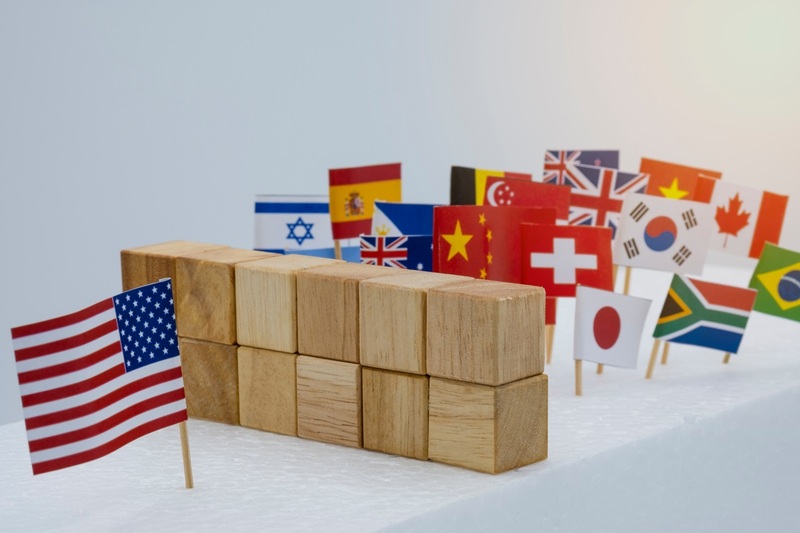
This is the view of Nigel Green, chief executive of global financial advisory firm deVere Group. Reacting to Trump’s decision to impose tariffs on countries across the globe, he said: “This is how you sabotage the world’s economic engine while claiming to supercharge it.
“It’s a seismic day for global trade. Trump is blowing up the post-war system that made the US and world more prosperous, and he’s doing it with reckless confidence.”
What’s happened?
Announced in the late hours of last night (2 April), Donald Trump announced the US would be imposing tariffs of varying severity on goods from across the world.
Starting with the very basics – most countries would have a minimum 10% tariff, including the UK, as well as the likes of Australia, Argentina and Saudi Arabia. This will come into place on the 5 April.
In response, Keir Starmer said the decision will have economic impact "both here and globally", but added that "we are prepared". He explained: “Indeed, one of the great strengths of this nation is our ability to keep a cool head.
“I said that in my first speech as Prime Minister and that is how I govern. That is how we have planned and that is exactly what is required today.
“Nobody wins in a trade war. That is not in our national interest. And we have a fair and balanced trade relationship with the US.
“Negotiations on an economic prosperity deal, one that strengthens our existing trading relationship – they continue, and we will fight for the best deal for Britain. Nonetheless, I do want to be clear I will only strike a deal if it is in the national interest and if it is the right thing to do for the security of working people.”
Additionally, around 60 countries – which are those that see the US as the "worst offenders" have been handed country-specific rates. Coming into effect on the 9 April, this will hit the likes of China and the EU – which will have a 54% and 20% tariff imposed on its goods respectively.
No further tariffs will be imposed on Canada and Mexico, as they have already been targeted during the Trump presidency. These were previously set at 25% on all goods entering from both countries, although some exemptions and delays were later introduced – potentially a guide to what we’ll see in the coming days.
In addition to this, the President has imposed import taxes of 25% on cars and car parts entering the US from abroad. Reflecting on this, Carmoola founder and chief executive Aidan Rushby said: “Trump’s new tariffs might seem like a distant diplomatic issue, but UK car buyers could feel the knock-on effects sooner than expected.
“If British manufacturers struggle to sell into the US, we could see more cars redirected to the domestic market, which may mean better deals for UK consumers, especially when it comes to nearly-new and used cars.
“At the same time, an economic wobble caused by global trade tensions could put pressure on household finances. When that happens, people naturally tighten their belts, which may push used car prices even lower as demand softens.
“That’s good news if you’re buying, but for current car owners, it could mean your vehicle loses value faster.”
It’s inevitable that tariffs will be a drag on growth in the UK
While it appears on the surface that the UK has gotten a better deal than most, as explained by Hargreaves Lansdown’s head of money and markets Susannah Streeter, given the UK is so intertwined with the global economy, a drag on growth looks inevitable.
She added: “The government is taking a pragmatic approach, and hoping for a trade deal, which may alleviate more of the tariff burden, but the outcome is uncertain.
“Although there will be some hopes that now more detail about the widely trailed tariff plan is out in the open, it will provide more clarity for economic forecasts, business strategy and investment decisions.
“However, it’s still unclear to what extent other countries may retaliate with tariffs, and how the trade war could still escalate.”
Tariffs could trigger global interest rate cuts
Off the back of the decision, we’ve seen investors significantly increase their bets on interest rate cuts by major central banks in an effort to stave off a global recession – including in the UK, with the money markets already moving to suggest a cut in May is priced in.
If the Bank of England does decide to cut rates from its current 4.5% position, it would be a shift in its currently more cautious approach it has been taking to further rate cuts – citing growing global trade uncertainty as one of the reasons for not reducing rates last month.
Commenting on the prospect of tariffs last month, Bank of England governor Andrew Bailey said they would damage economic growth because they’ll result in consumers paying over the odds for products.
Want to take your learning to the next level? Then why not join more than 1,000 of your peers at this year’s Credit Week. To find out more, click here.


Stay up-to-date with the latest articles from the Credit Strategy team
READ NEXT
Confidence plunges to lowest since mid-2023 amid global tensions and economic strain
FCA proposes clearer UK crypto regulations
In conversation with... Lindsay Gustafsson


member of


Get the latest industry news
Permission Statement

